| Superficie | 7000m2 |
| Adresse | 34 Rue de Stassart - 1050 Ixelles |
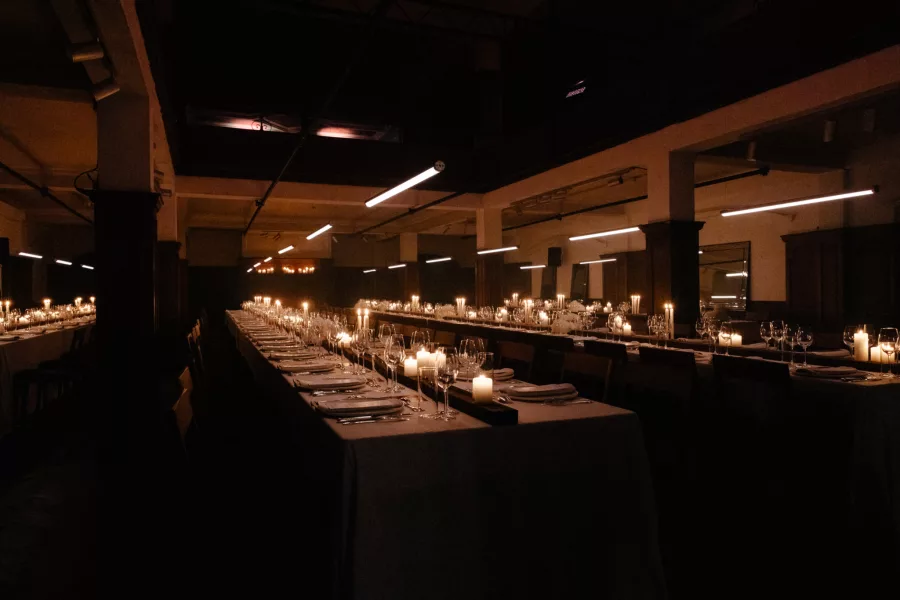
| Capacité | 300 personnes |
| Accès | Metro porte de Namur |
| Horaires | Sur rendez-vous |
The building was constructed in 1874, following the leveling of the Porte de Namur hill in 1863. It is located on Rue Stassart, a street named in honor of Goswin, Baron de Stassart (1780–1854), a Belgian liberal politician, senior civil servant, diplomat, and poet.
The building is centrally located in the heart of Brussels, close to the Porte de Namur (inner ring road) and about 150 meters from the Chaussée d'Ixelles, the capital's second most important commercial axis. The latter has recently undergone partial redevelopment into a pedestrian zone. The neighborhood has a mixed use, combining commercial activities and residential functions.
Originally, the building housed the headquarters of the Belgian Colonial Union, some architectural elements of which still remain today. It was also here that the magazine L'Illustration congolaise was published. Between 1923 and 1930, the building became the Maison de la Radio, an institution considered to be the predecessor of RTB. In 1986, it was assigned to the Royal Conservatory of Music in Brussels, “Theater and Spoken Arts” section, a function it retained until 2020.
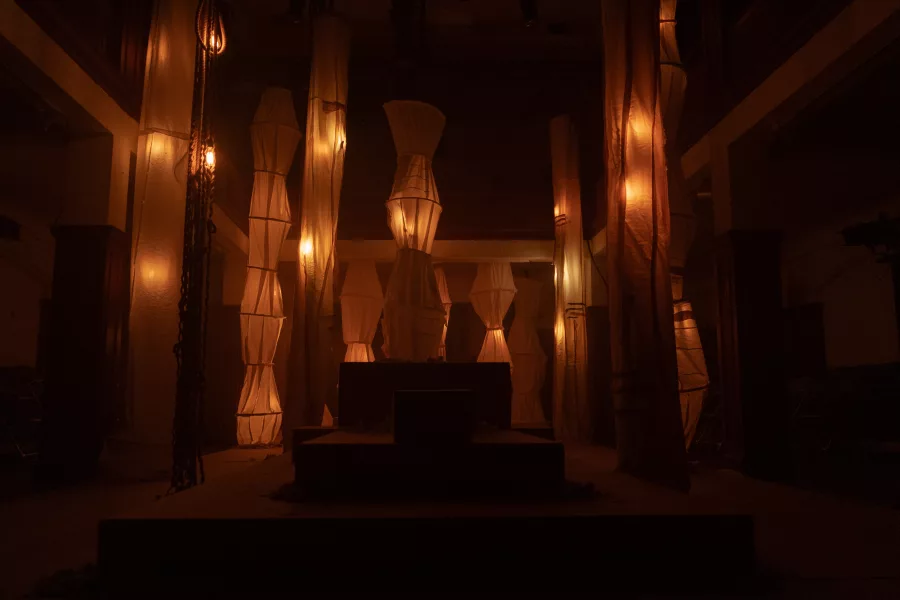
After a temporary occupation by the Young European Artists association, the complex was taken over by the Limited Edition Hotels group, which developed a new hotel project there called “Shaker.” The concept is based on a hotel with a strong cultural identity, offering rooms designed in the form of alcoves and and a packed artistic program, aimed primarily at a young audience. The opening is planned for 2025, with the ambition of offering daily concerts and shows, accessible to both hotel guests and local residents.
The ancestor of RTBF – Rue Stassart
It was from this building that, on November 1, 1926, Théo Fleischman produced what is considered to be the world's first radio news program.
It was not until after the war, in 1923, that the Belgian government officially authorized the creation of the first national radio station. Named Radio-Bruxelles, it was located at 34 Rue Stassart. In 1924, Radio-Bruxelles became Radio-Belgique and voluntarily adopted an editorial line based on neutrality and courtesy.
Théo Fleischman developed an innovative formula, summed up by the slogan: “All the news from around the world and from the day in thirty minutes.” He himself defined the principles of the spoken news: information written in a deliberately concise manner, in a clear, direct style suitable for reading aloud. Strict control of sources, a ban on broadcasting texts that had not been prepared in advance, and the obligation to keep records of each broadcast ensured a high level of journalistic rigor. This innovative approach quickly gained international recognition, attracting foreign observers who came to study how the news program worked.
Occupation by the Royal Conservatory of Music
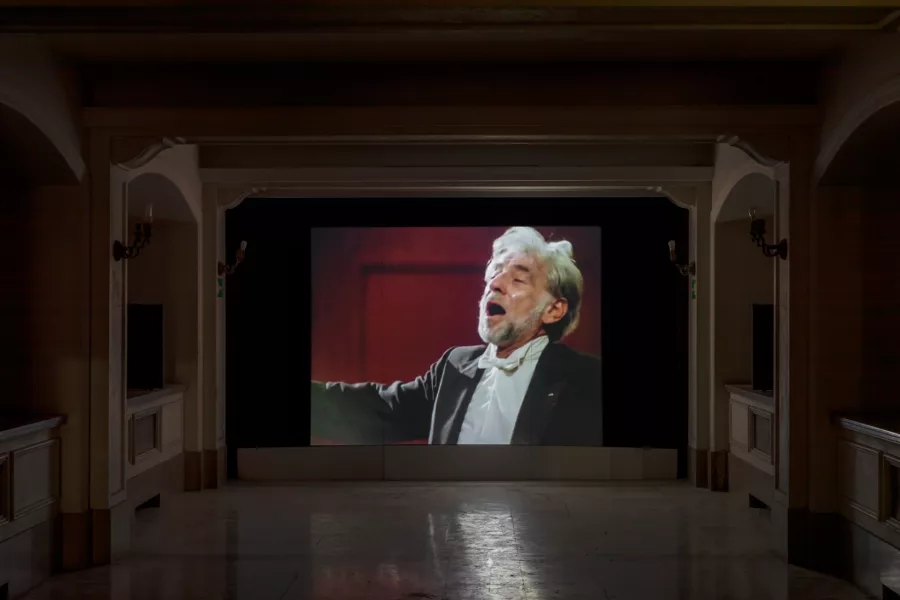
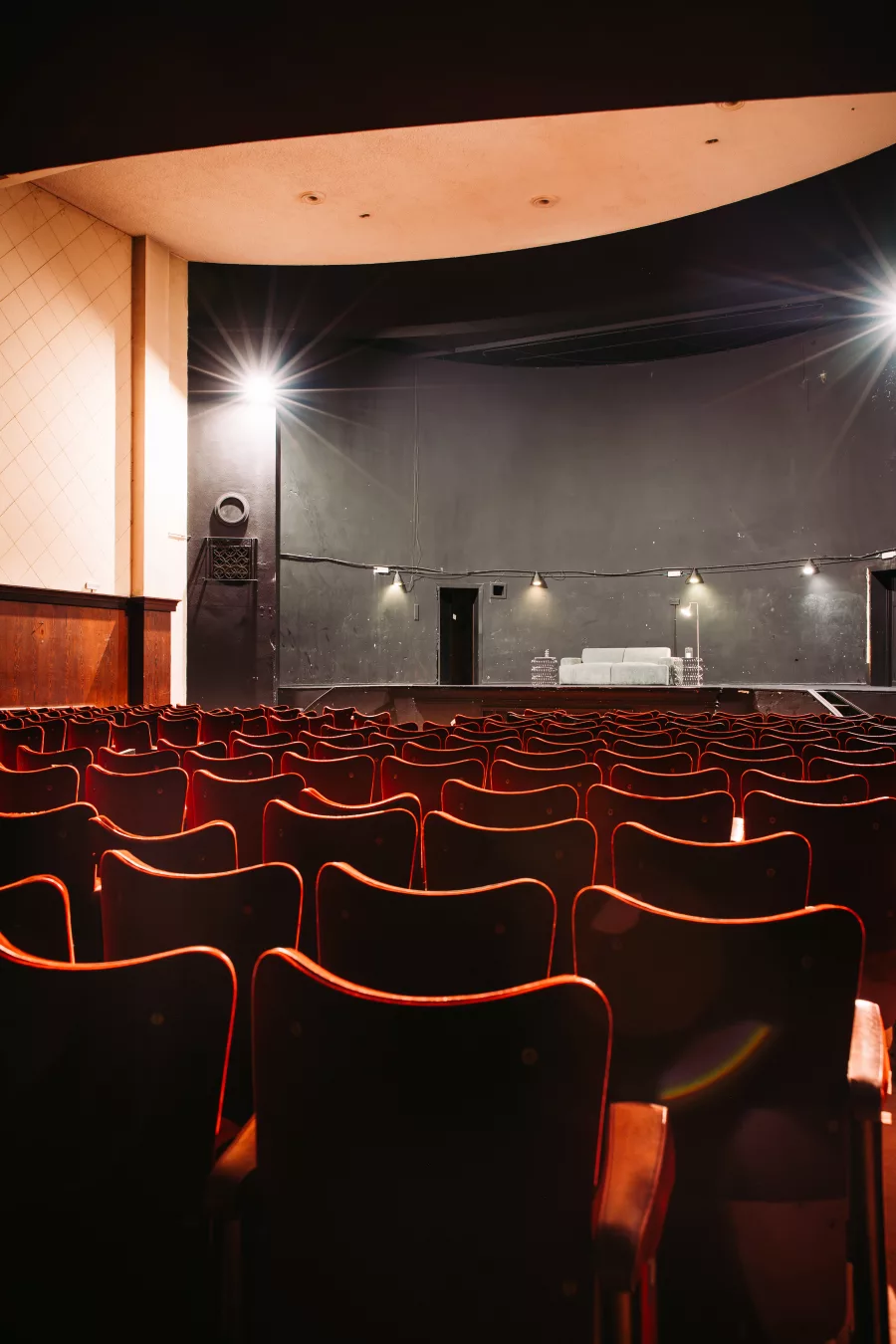
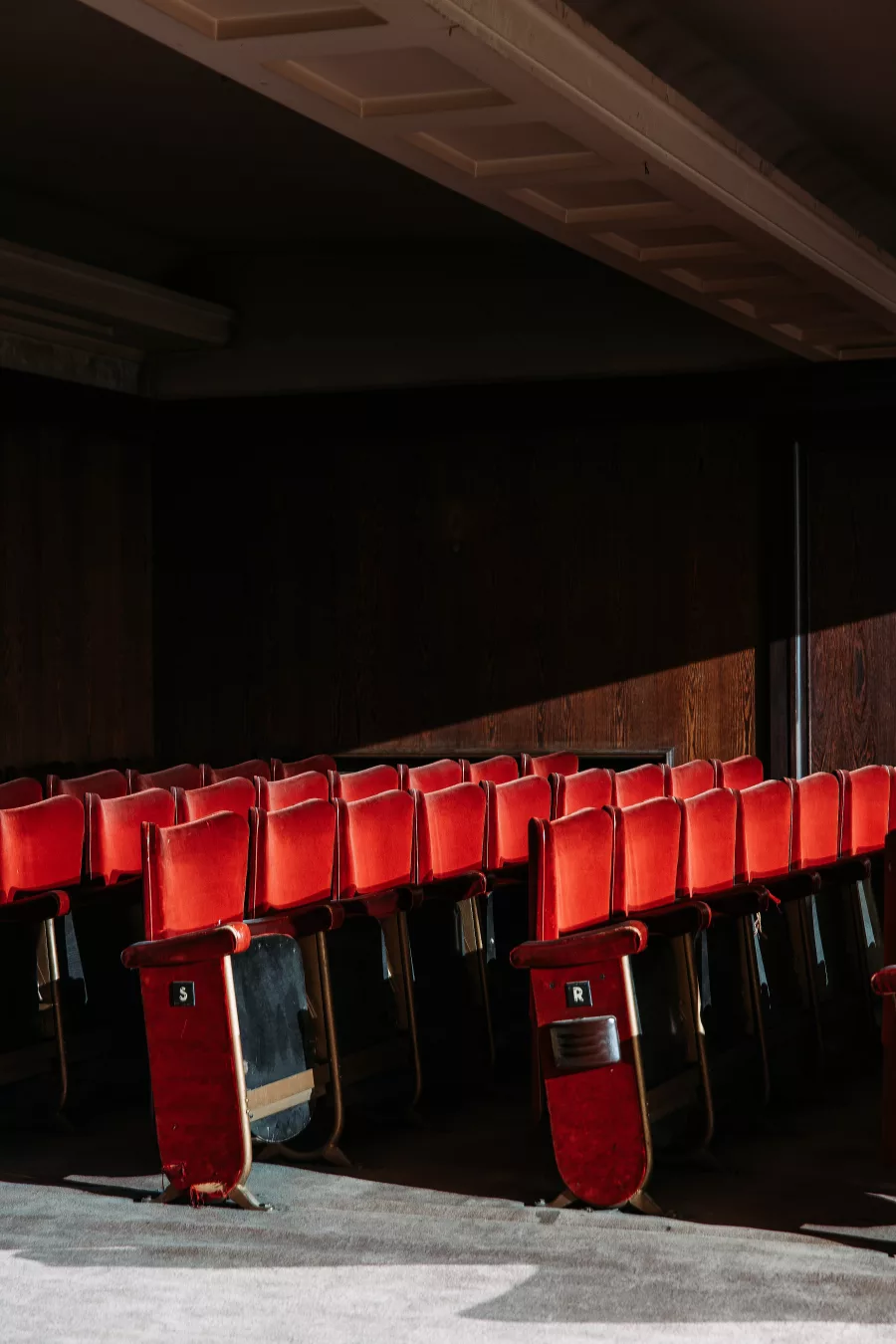
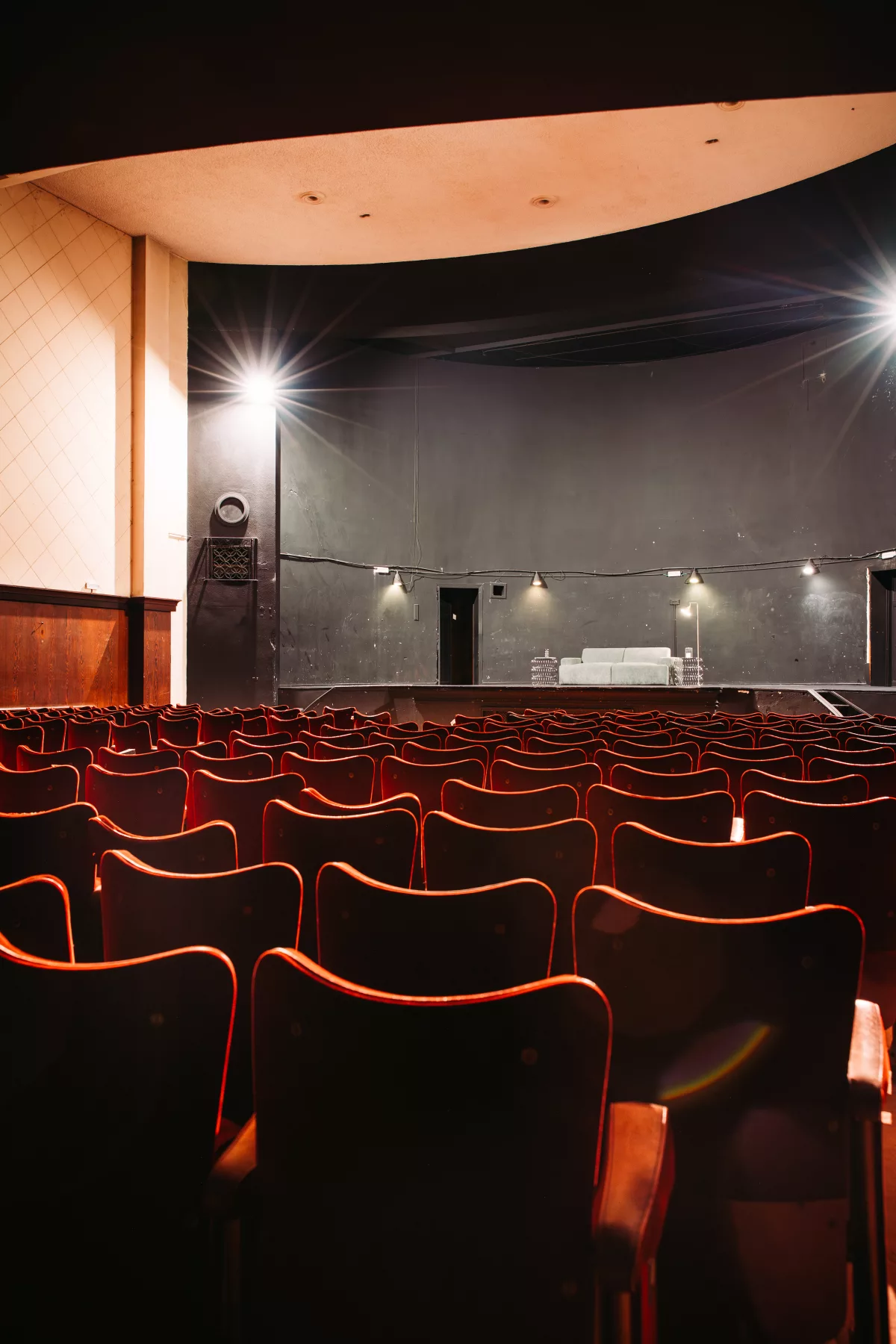
The building was then occupied by the “Theater and Performing Arts” section of the Royal Conservatory of Music. The main entrance was at 34 Rue Stassart, providing access to the main building and the auditorium, which was used for performances by students and guest artists.
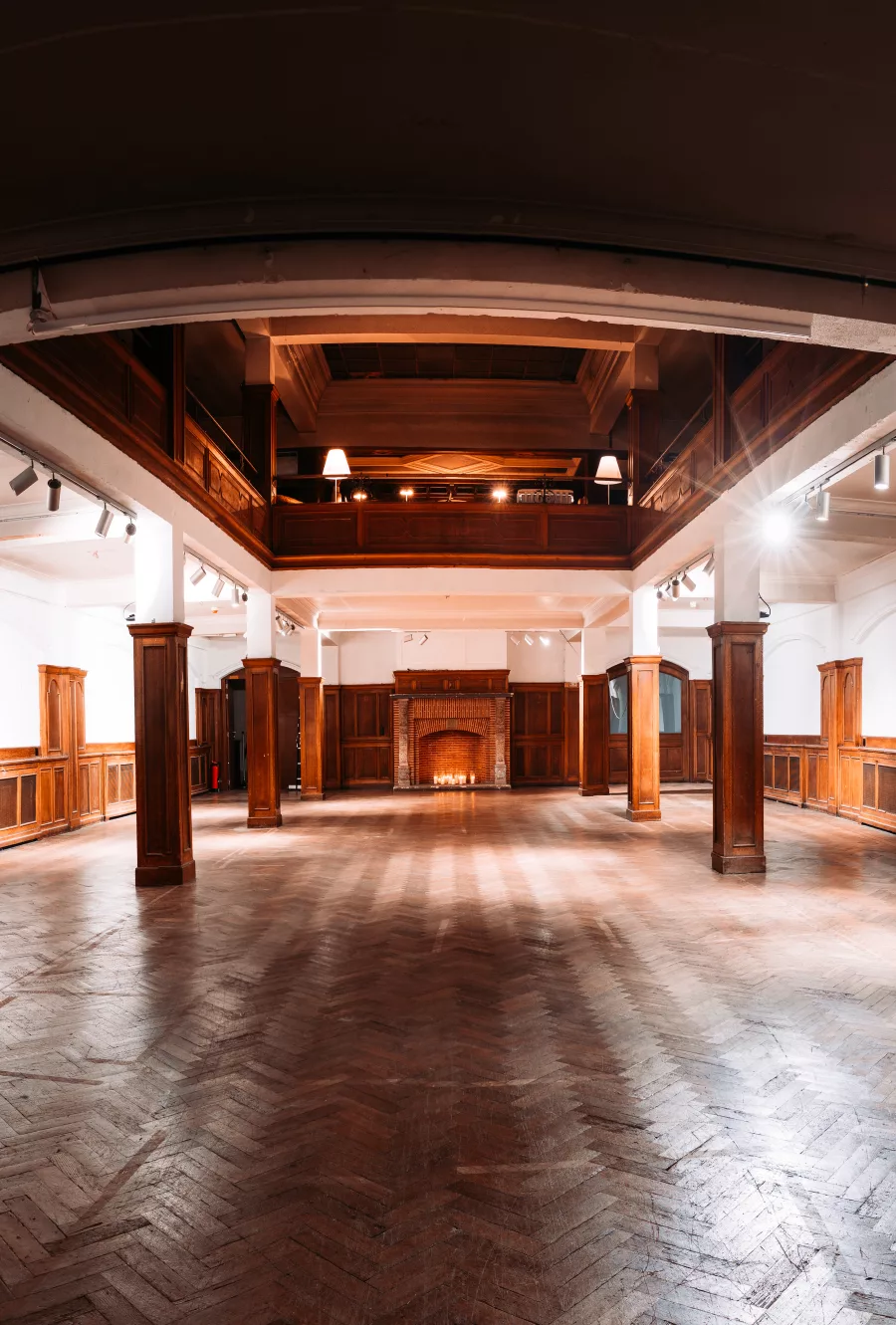
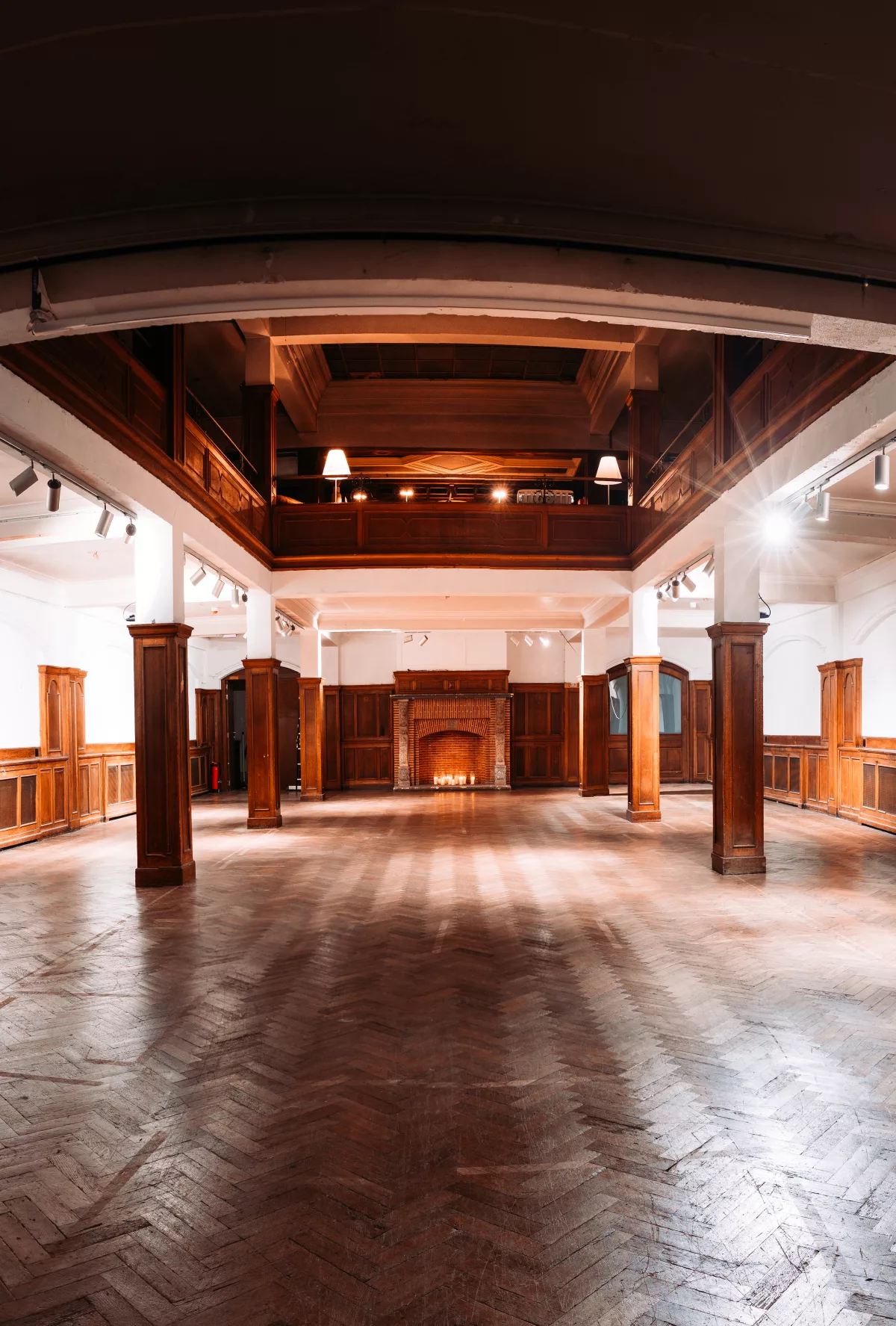
The spaces were spread over four floors, mainly devoted to classrooms and rehearsal rooms. The room known as the “Berlin room” was specifically used for theater class rehearsals. On the fifth floor, overlooking the auditorium, was a space used as an archive for the French Community. The former residential building on Rue du Berger remained unoccupied.
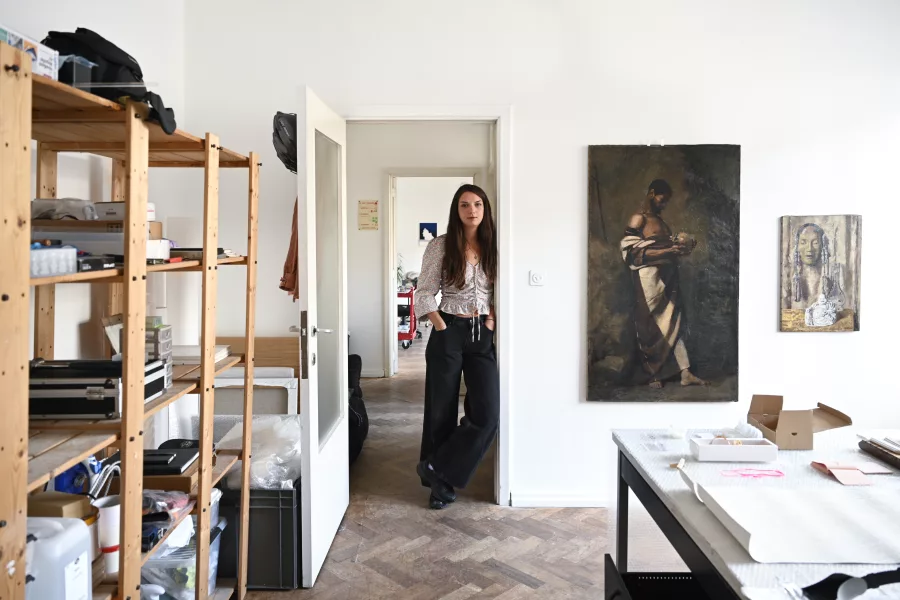
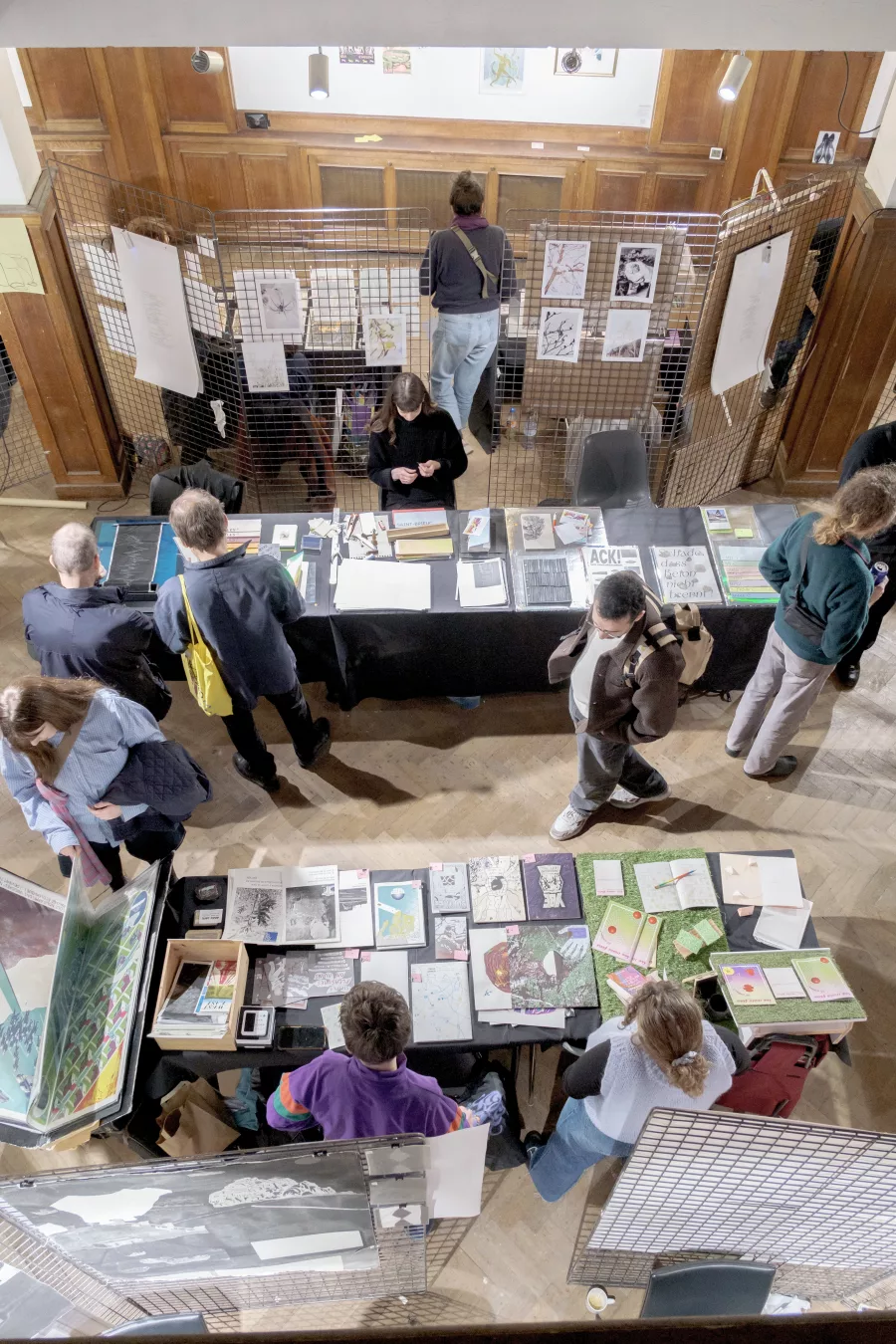
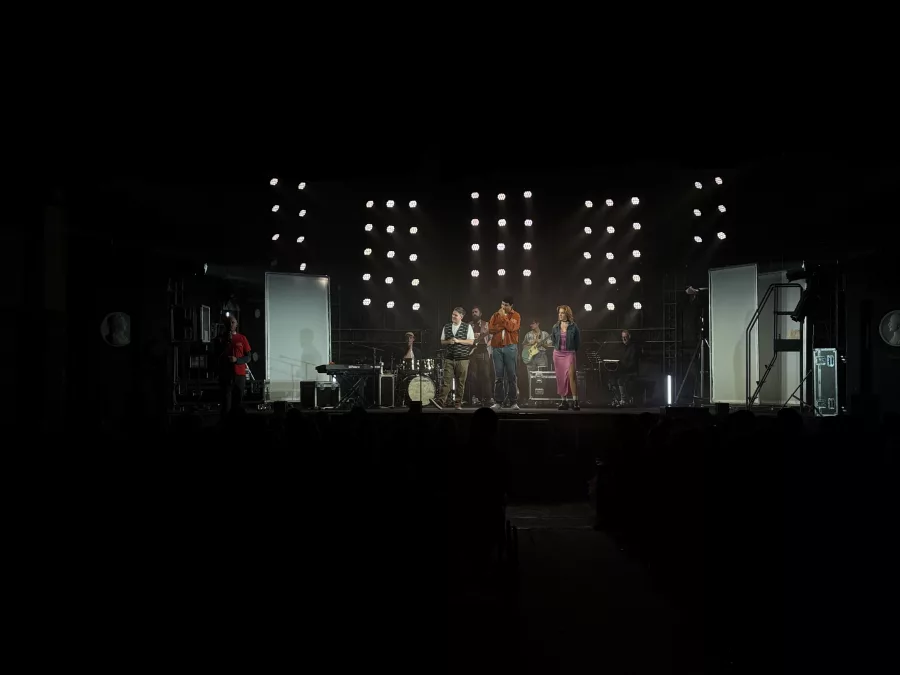
An initial project envisaged the demolition of the two central buildings, including the Berlin Room and the auditorium, the latter to be dismantled and converted into a restaurant. However, the municipality and Urban's Cultural Heritage Department insisted that these elements be preserved. Before work began on the Shaker project, Young European Artists developed an artist residency program and a venue for cultural events there.