| Superficie | 6000m² |
| Adresse | 2 Avenue palmerston - 1000 Brussels |
| Capacité | 80 personnes |
| Accès | Metro 5 Schuman |
| Horaires | Sur rendez-vous |
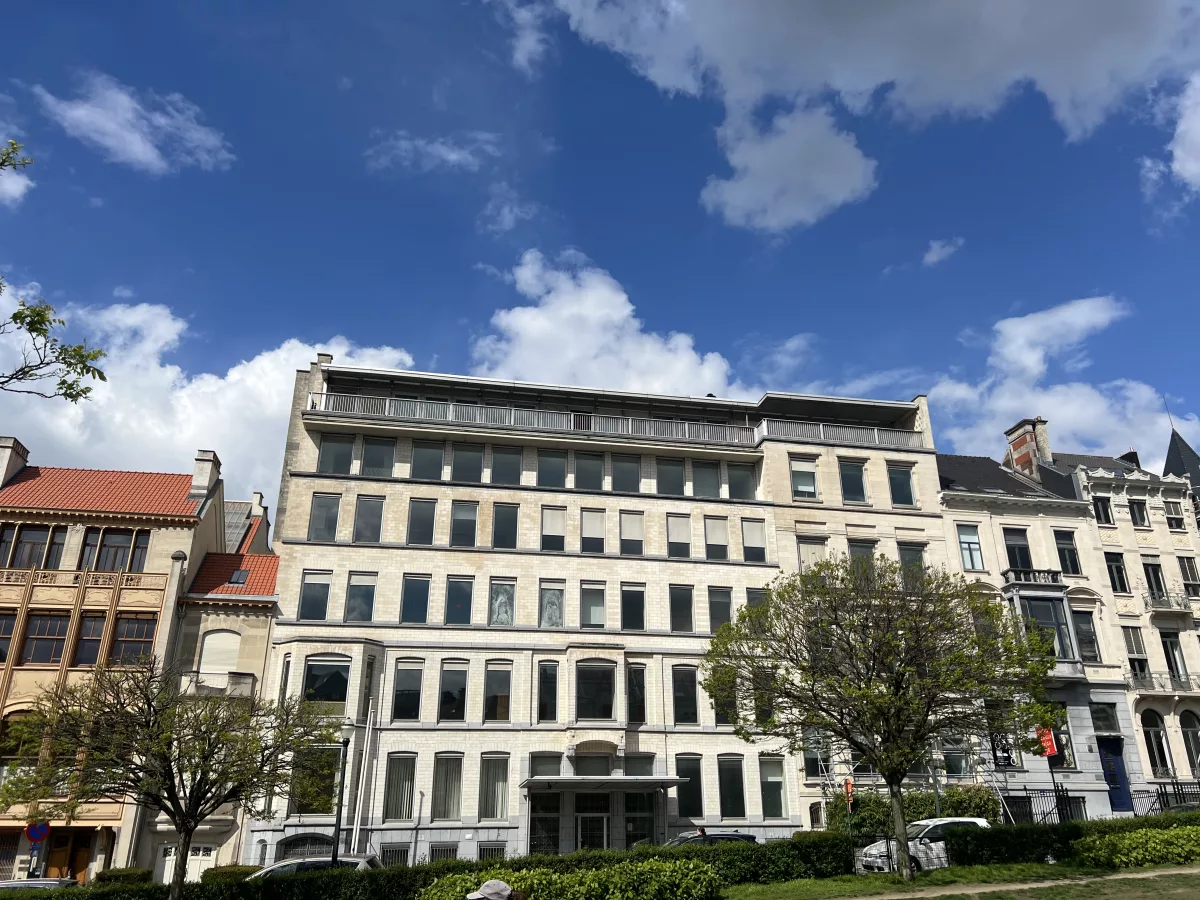
2 Avenue Palmerston is located in the prestigious urban setting of Brussels' northeast district, which was developed at the end of the 19th century according to the plan designed by architect Gédéon Bordiau and approved by royal decree on December 20, 1875. Palmerston Avenue connects Marie-Louise Square to Ambiorix Square and, together with Marguerite, Ambiorix, and Marie-Louise Squares, forms the structural axis of the district.
The avenue is lined with a central reservation planted with trees, originally punctuated with decorative ponds, of which only two rectangular reservoirs, designed by Blaton-Aubert and completed in 1888, were actually built. It features a residential typology consisting of opulent houses and mansions built between 1893 and 1906, mainly on the even-numbered side, benefiting from a south-facing orientation. The buildings are mainly eclectic in style, often influenced by the Flemish Renaissance or Art Nouveau.
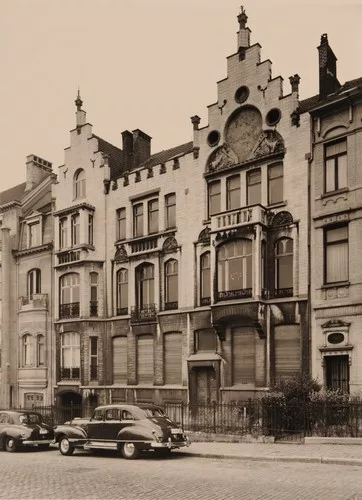
In accordance with the Bordiau plan, the buildings, including No. 2, are set back five meters from the street line to allow for the creation of a small garden and the integration of prominent architectural elements designed to break up the urban monotony. Within this regulatory framework, No. 2 stands out due to the authorized presence of an overhanging entrance porch and a protruding base, illustrating the controlled application of the neighborhood's urban planning principles.
Located at the entrance to the avenue, 2 Avenue Palmerston is part of a major architectural ensemble, enhanced by the immediate proximity of several buildings designed by Victor Horta, which give this area remarkable heritage and architectural value.
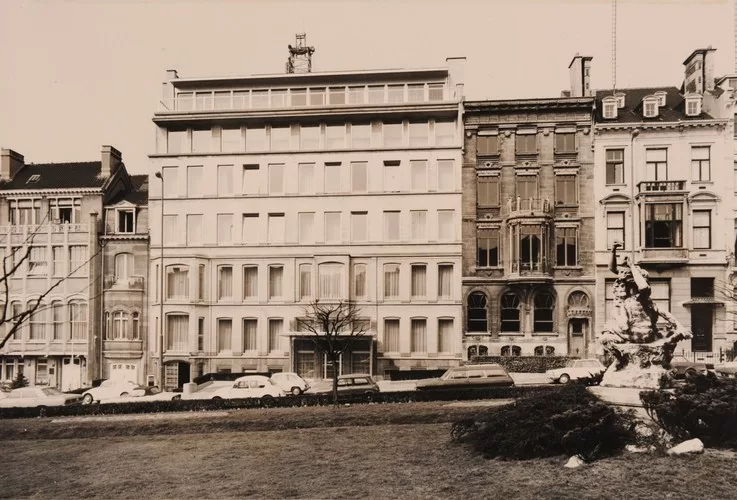
In 1960, the real estate company Ferlet commissioned architect Henry M. Brunard to convert the buildings located at numbers 2 (1900), 8 (1896) and 10 (1895) on Avenue Palmerston, designed by architect Edmond De Vigne and characterized by stepped or crenellated gables, as well as number 12 (1895), designed by architect Victor Taelemans. The gable of number 10 was decorated with a trefoil tympanum representing the worship of the sun by humankind and by the animal and plant kingdoms. This bas-relief in hardened cement was the work of sculptor Louis Mast.
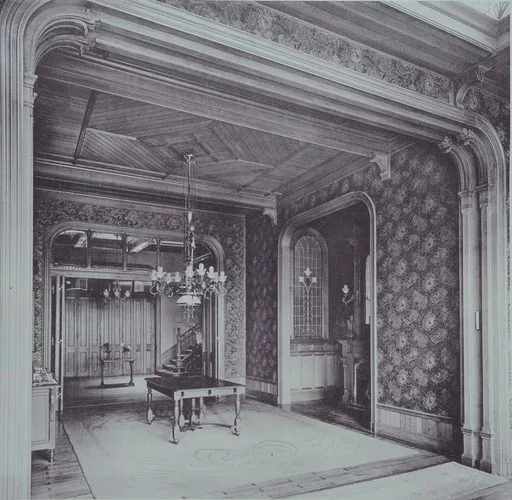
In 1971, the Ferlet company once again commissioned Henry M. Brunard to integrate number 14, a remarkable mansion built in 1898 by architect Léon Govaerts, into the complex. Originally, this building had a central staircase with a square layout, lit from above, as well as a large, beautiful floor entirely dedicated to reception areas.
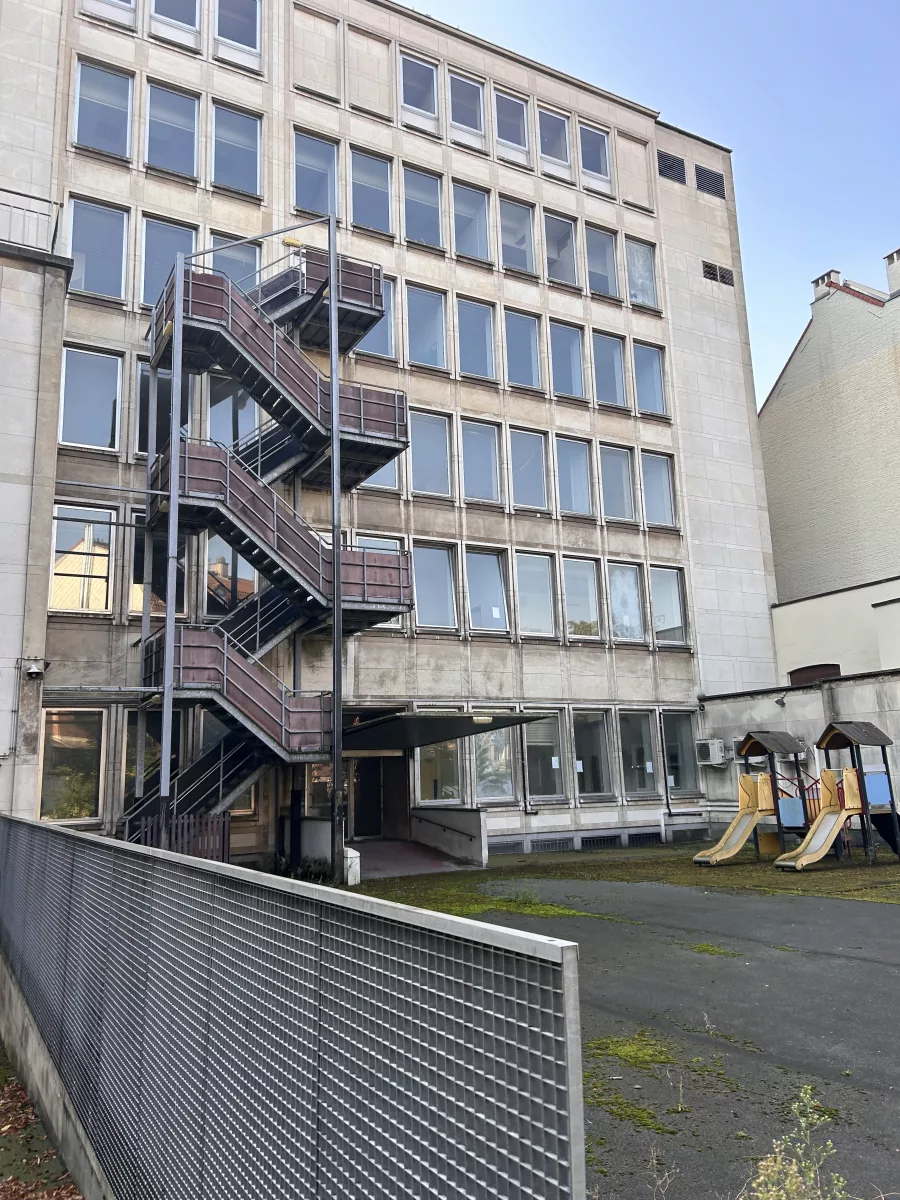
Of the original construction, only a few elements of the façade have been preserved. Number 14 still has horseshoe-arched windows, under which small ventilation openings with grilles open into sculpted spandrels.The outbuildings and boundary wall located at 77 and 79 Rue des Éburons were converted into a garage and driveway providing access to a courtyard within the block.
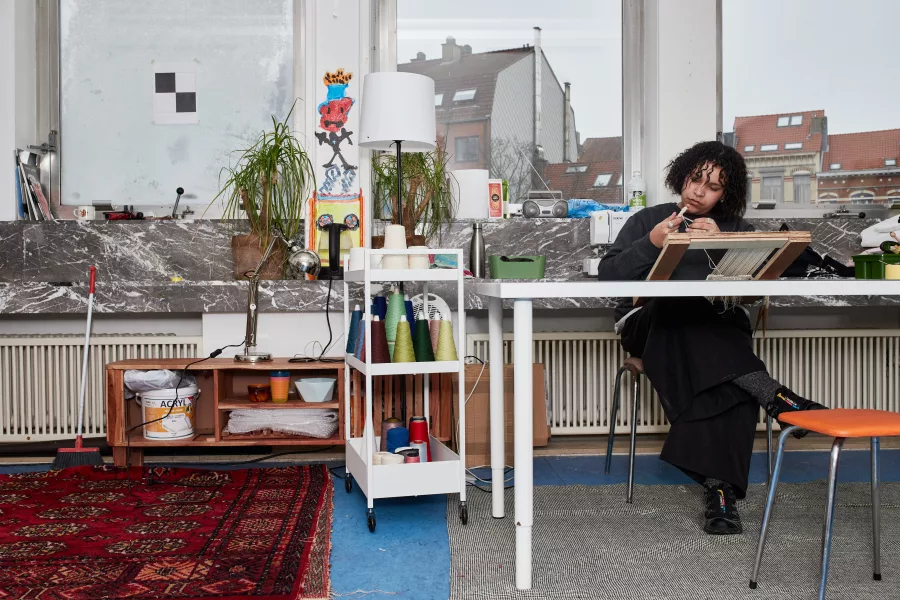
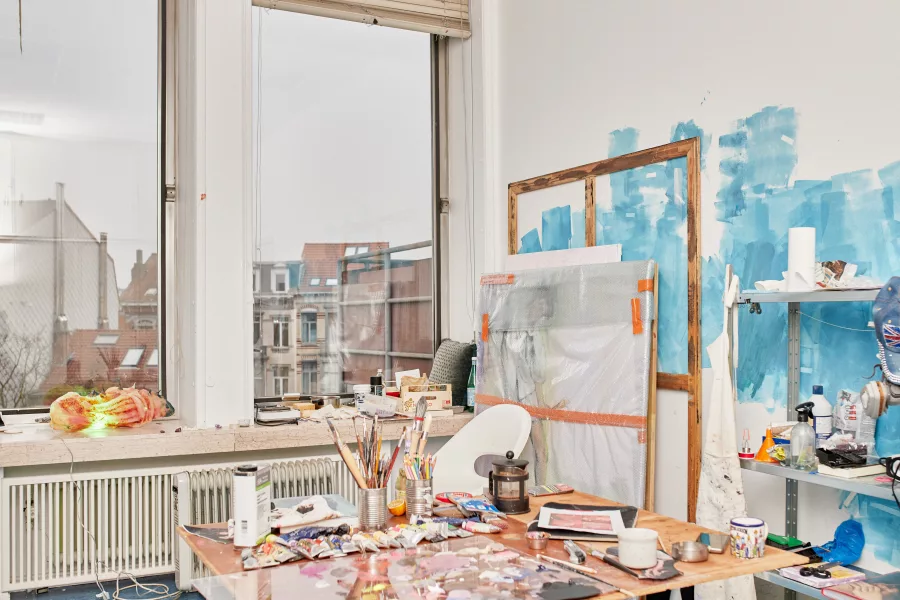
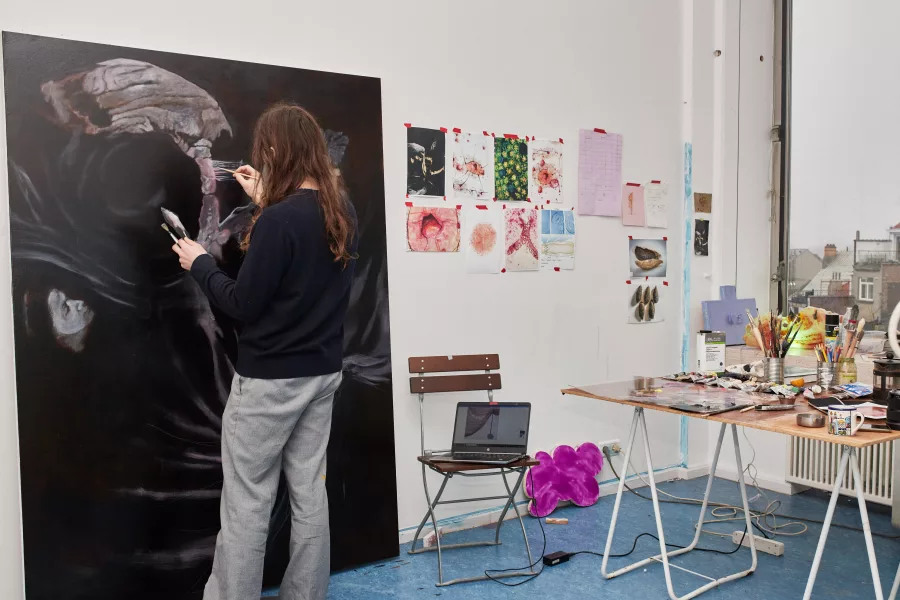
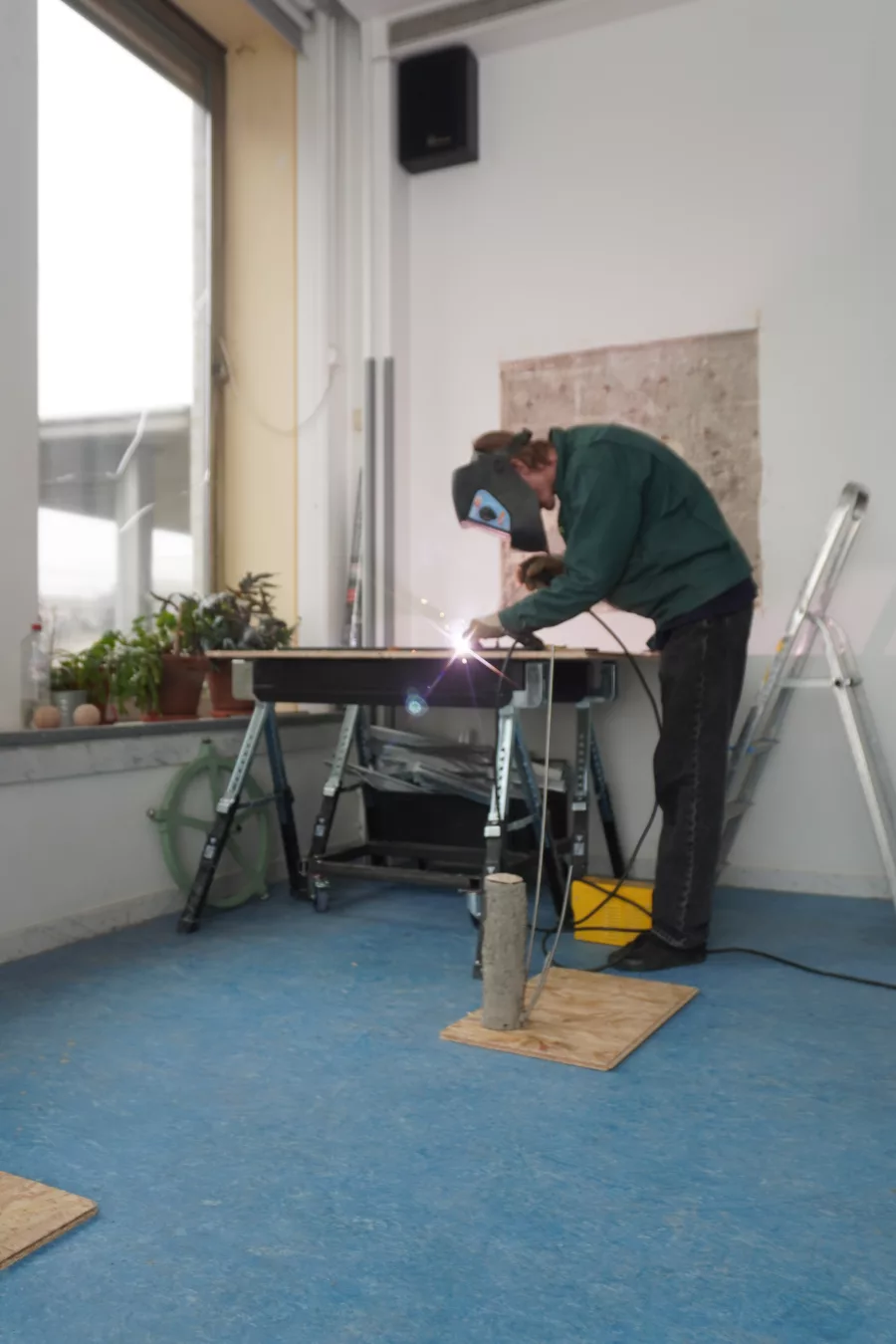
The complex was then reallocated as a European Commission crèche until 2009. The building was subsequently purchased by the Whitewood company, which initiated a real estate project to create around 30 apartments. From September 2024, Respace, Pali Pali, and Young European Artists temporarily occupied the premises to set up around 80 artists' studios. In June 2025, Young European Artists withdrew from the project.