| Date | 05 February 2026 - 27 April 2026 |
| Vernissage | 04 february 2026 |
| Adresse | Rue Royale 236, 1210 Brussels |
| Tarif | 10eu |
| Horaires | 10h-18h |
| Contact | info@youngeuropeanartists.com |
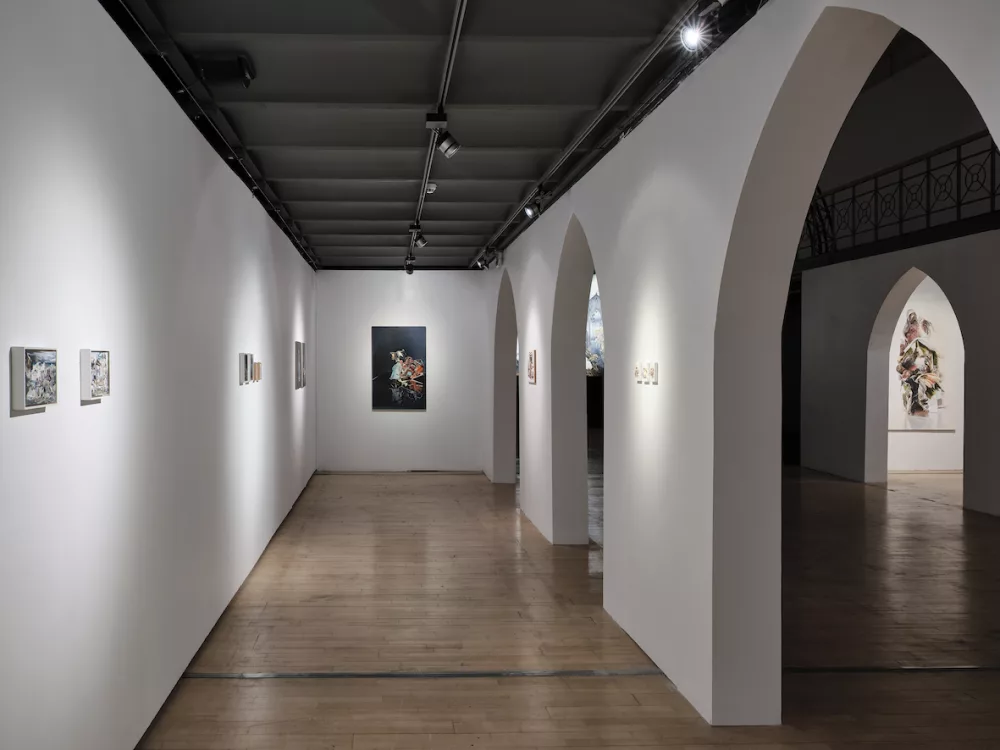
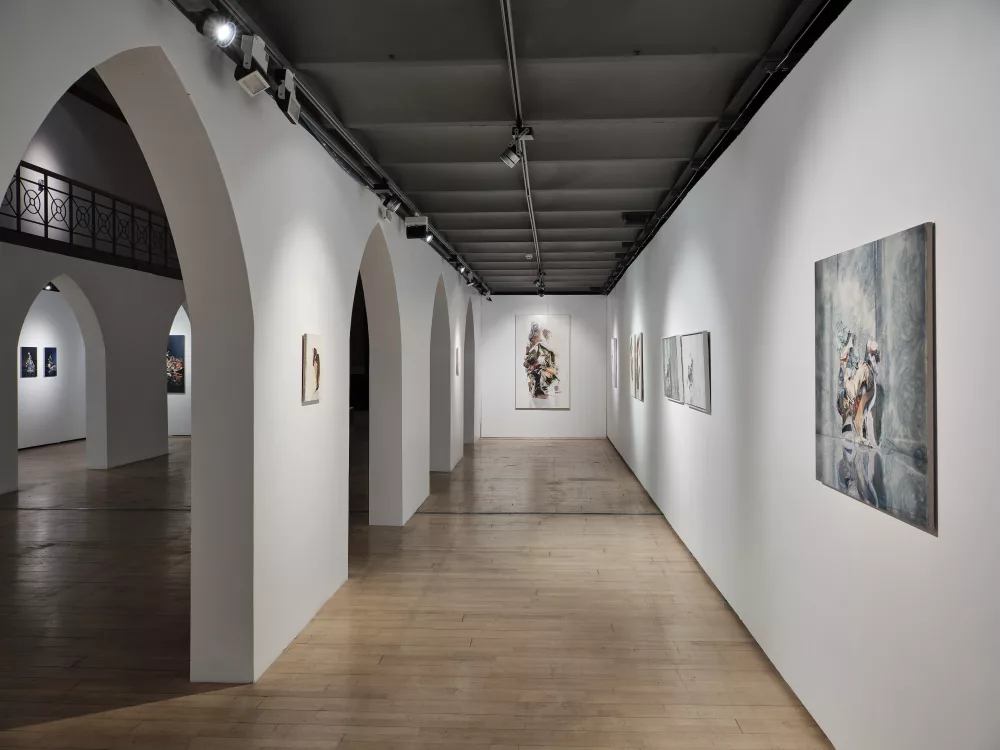
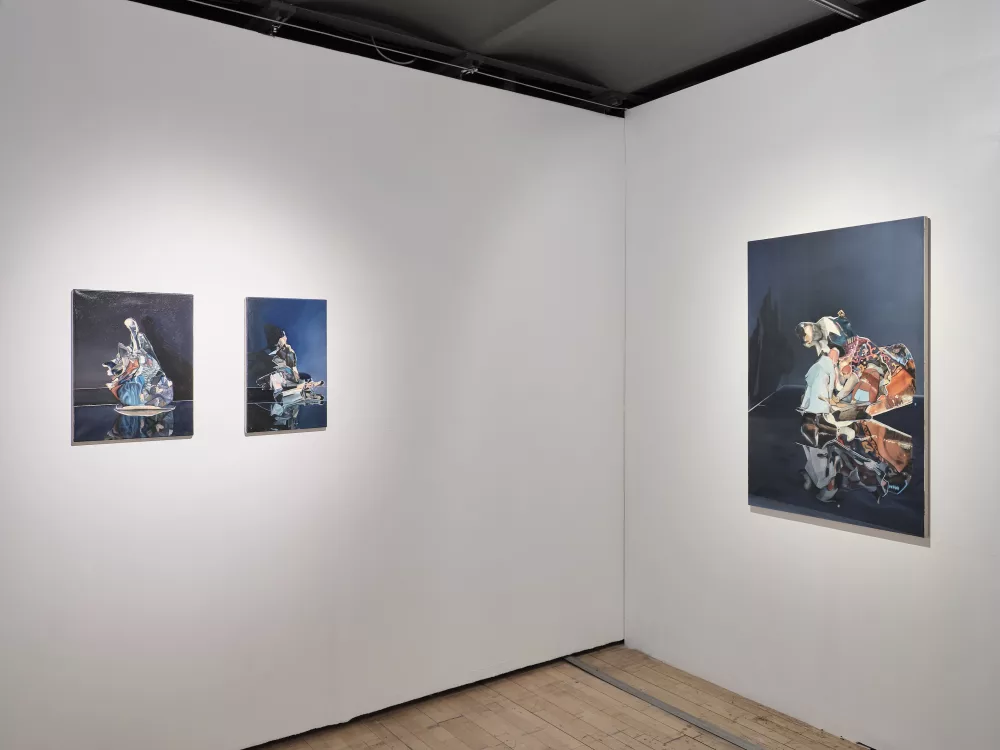
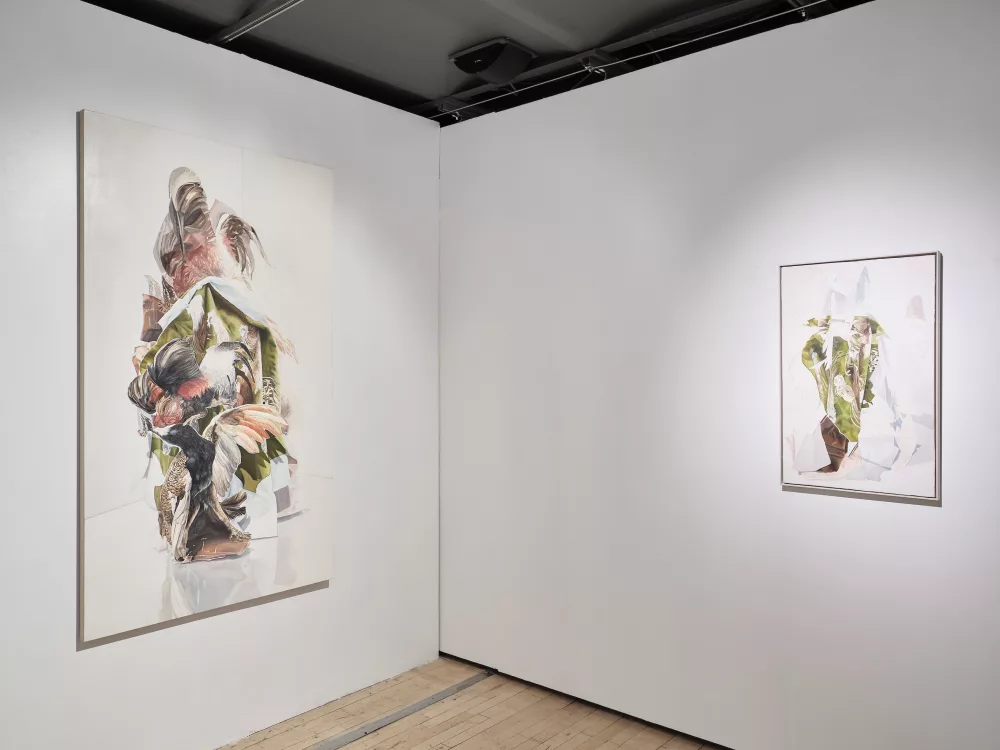
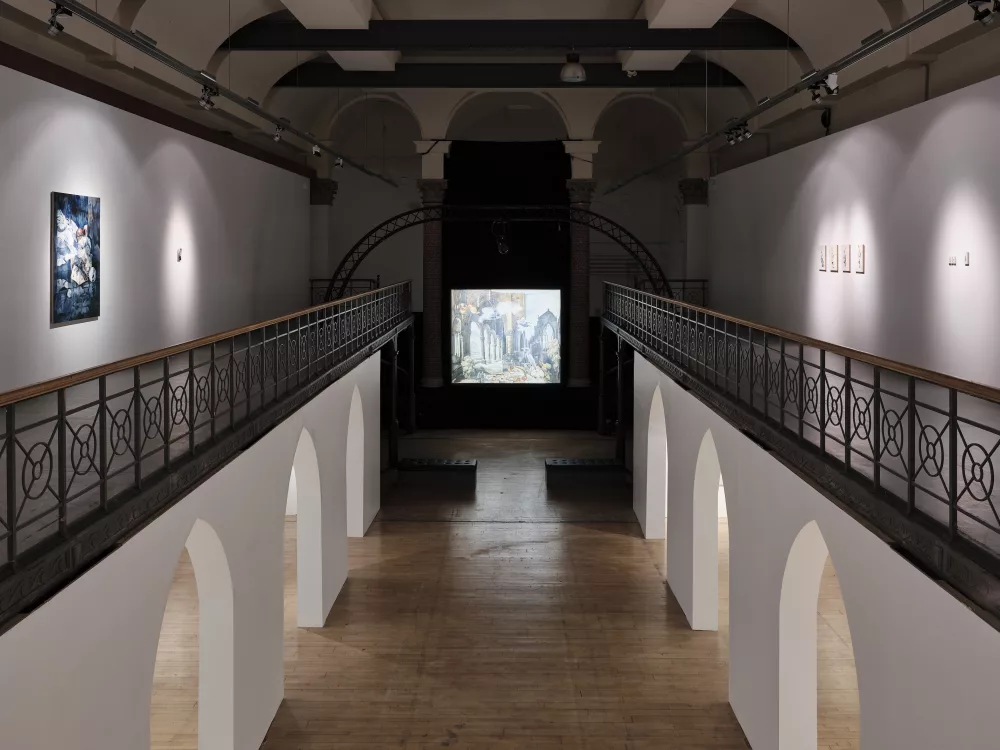
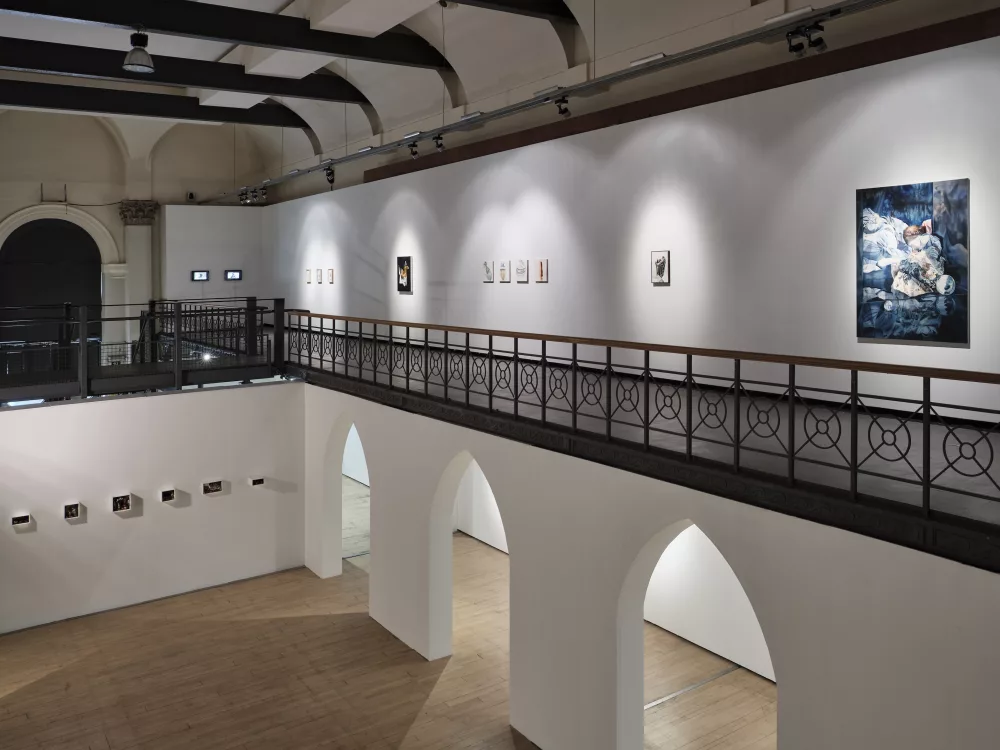
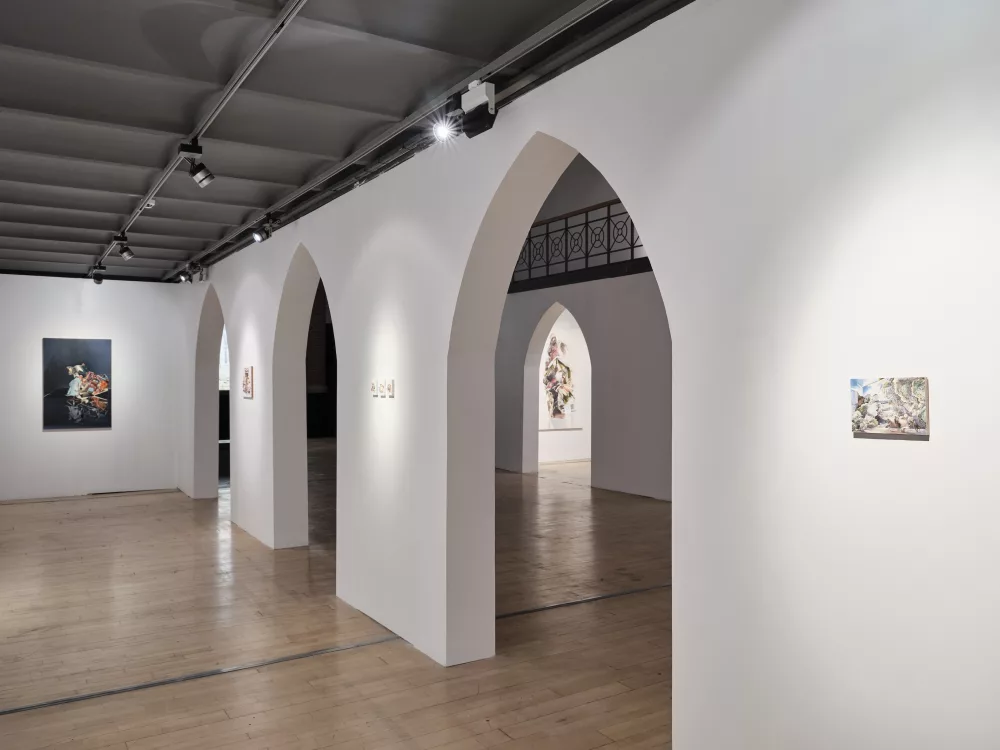
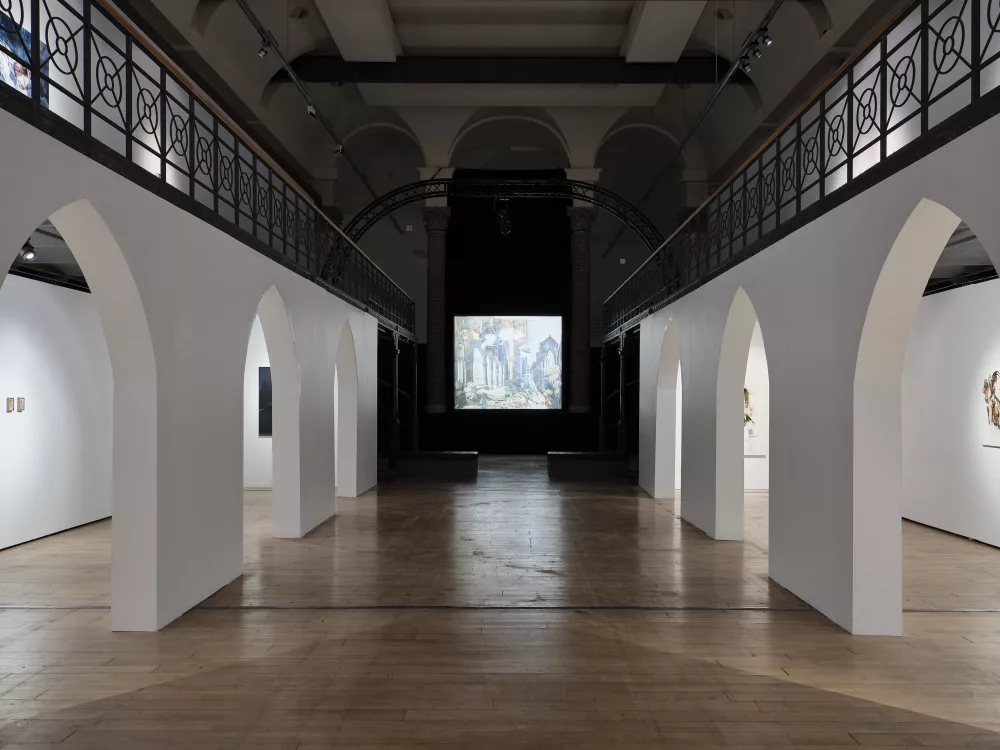
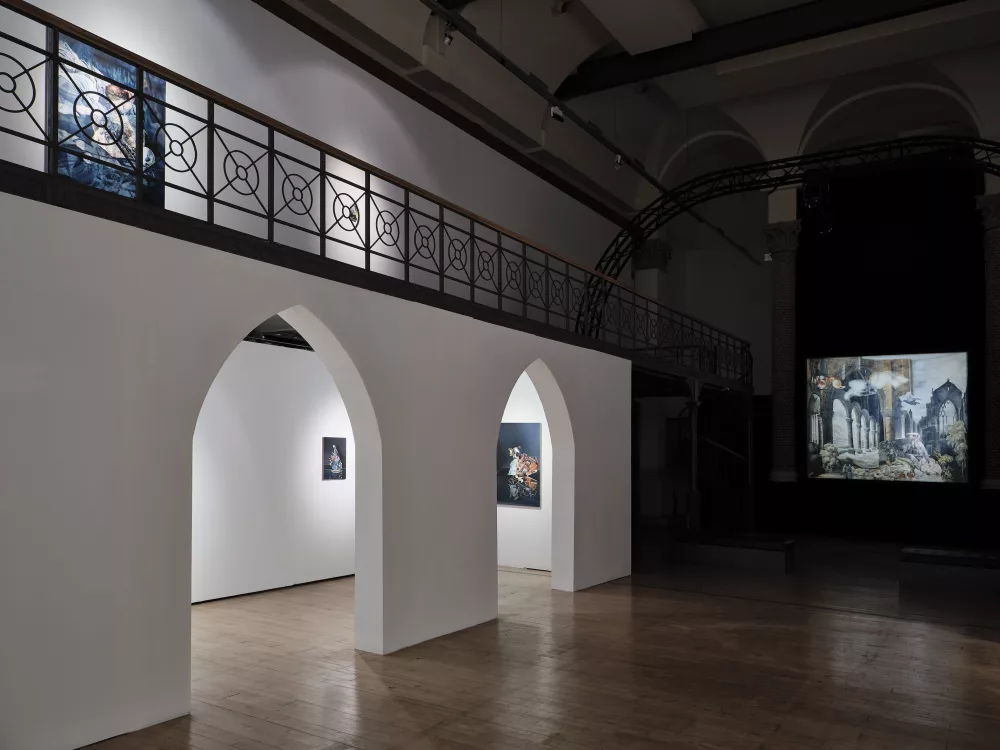
With Timelapse, Emilie Terlinden transforms images into autonomous, ambiguous forms, the result of a slow process of fragmentation and painting. At the heart of the exhibition, a monumental site-specific work, inspired by Daguerre's diorama, unfolds a scene in flux where light and time become matter. Emilie Terlinden takes over the Museum of Botany with a series of paintings and a reinterpretation of Daguerre's Diorama. Terlinden's work begins with a transformation of images. Before any pictorial intervention, she physically manipulates them: she cuts, folds, fragments, and recomposes them. This slow yet precise process profoundly alters their appearance and meaning, distancing them from their primary function as identifiable images.
The visual sources are diverse, ranging from European painting to images of everyday life. Once assembled, these fragments form dense compositions where classical references and contemporary forms intersect, evoking both still life and the visual abundance of the Baroque. Painting is essential in the final phase of the work. It unifies the fragments, elaborates textures, surfaces, and details, and lends overall coherence to the piece. Thus, the images become autonomous forms, treated as a distinct material.
The artist incorporates deliberate ambiguity into her works. The forms do not seek precise identification; their purpose is to create a tension between what we believe we recognize and what remains blurred.
This visual approach captures the gaze and demands sustained attention. Emilie Terlinden's work is not intended for a single interpretation. It invites the viewer into a sensory relationship with the image, based on observation, the perception of textures, and an understanding of the process of change. Originally, this technique combined large-scale painting with variations in light to produce perceptible transformations of the same image.
In this project, light and time are no longer simply conditions of exposure: they become fundamental elements of the artwork.
Presented in 2026, the bicentennial of the invention of photography, this creation acquires a unique historical dimension. Daguerre, before being associated with the daguerreotype, was a major figure in this research at the intersection of painting, scenography, and what would later be called the moving image. Drawing on incomplete historical sources and fragmentary descriptions, the artist adopts an experimental method akin to visual archaeology. His approach does not aim to reconstruct a diorama exactly, but rather to offer a free interpretation. This interpretation is shaped by ancient techniques and imbued with his own artistic vocabulary. It incorporates figures inspired by Brueghel, floral motifs, recomposed landscapes, and distortions typical of his work.
The installation, designed on two sides, reveals a daytime scene and a nighttime scene successively through a gradual transition of light. Here, light does not merely illuminate the image: it profoundly transforms it. The work thus reconnects with an art of illusion and metamorphosis, stemming from early visual experiences, at the crossroads of painting and movement, and invites the public to perceive time as a tangible substance.